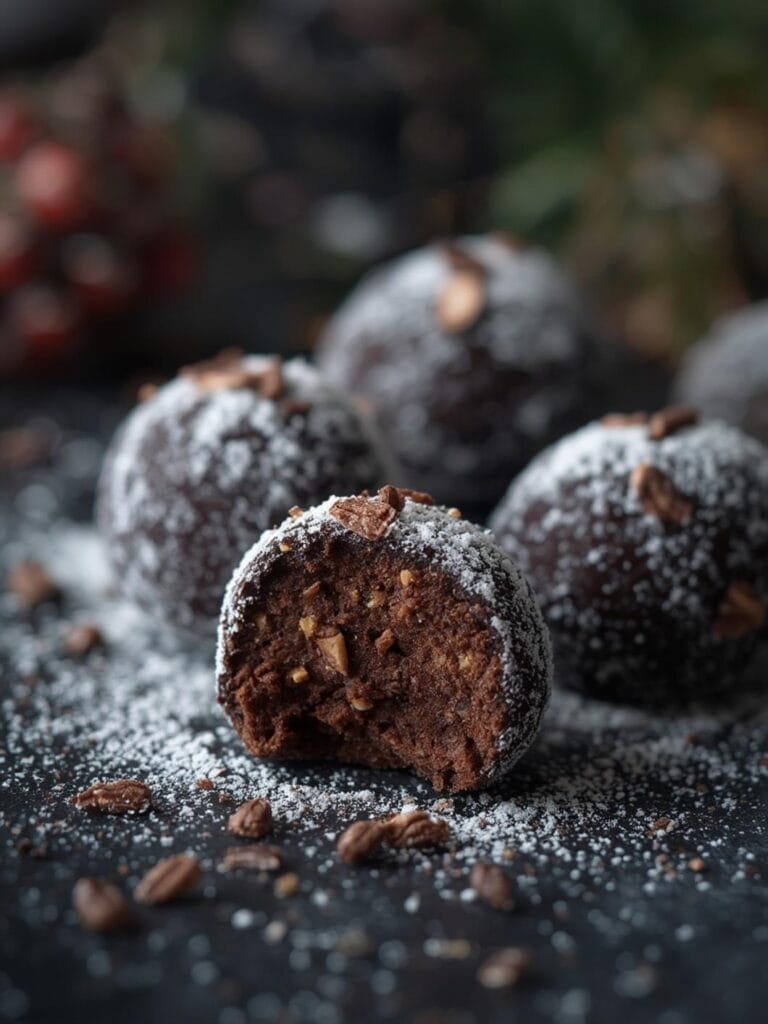
Decadent Orange Chocolate Christmas Truffles (Festive Zest)
Introduction
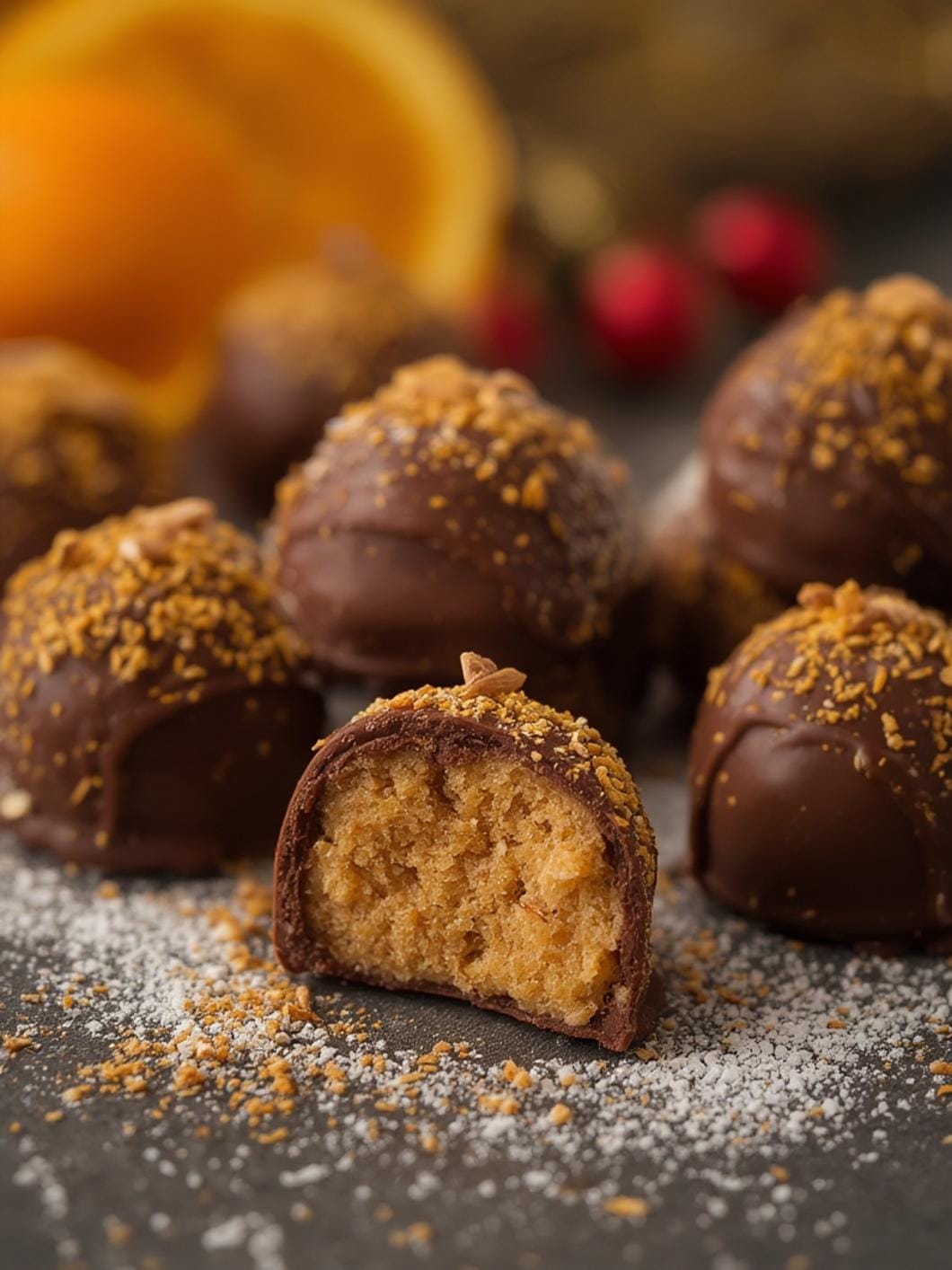
Picture the faint citrus tang wafting through your kitchen, mingling with the deep, earthy melt of chocolate as you roll these glossy orbs in your palms. That’s the magic of orange chocolate Christmas truffles—the kind that transport you back to childhood holidays, when treats like these felt like pure joy wrapped in a bite. Homemade orange chocolate Christmas truffles beat store-bought every time because you control the freshness: no waxy textures or artificial zing, just real orange zest bursting against silky ganache that firms up perfectly for gifting or devouring by the tree. If you’re ready to make your season sparkle, dive into these orange chocolate Christmas truffles.
Table of Contents
Ingredients & The ‘Why’
| Ingredient | Quantity & Notes |
|---|---|
| Dark chocolate (70% cocoa) | 300g, finely chopped for even melting |
| Heavy cream | 150ml, full-fat for creamy texture |
| Orange zest | From 2 large oranges, finely grated (avoid pith for bitterness) |
| Unsalted butter | 50g, softened at room temp for smoothness |
| Orange liqueur (like Grand Marnier) | 2 tbsp, optional for boozy depth |
| Cocoa powder (unsweetened) | 100g, for rolling; Dutch-processed for milder flavor |
| White chocolate | 100g, chopped for festive drizzle |
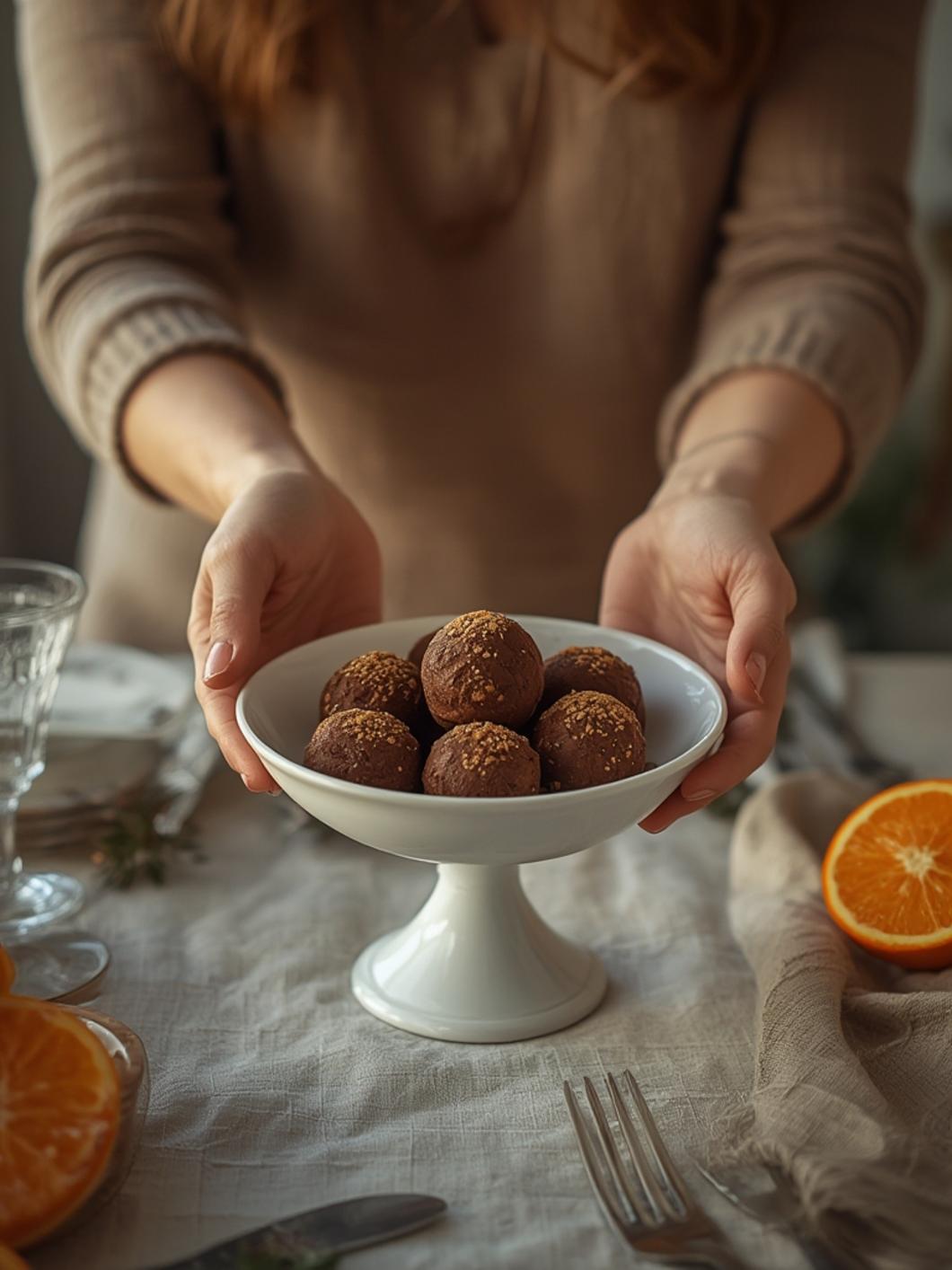
These orange chocolate Christmas truffles rely on a few stars: dark chocolate provides the sturdy base, its cocoa solids and cocoa butter creating that snap-and-melt mouthfeel; heavy cream acts as the emulsifier, binding everything into a pourable ganache that sets firm yet yields under teeth; and orange zest delivers volatile oils for bright, essential aroma without watering down the mix.
Preparation Overview
| Metric | Time/Amount |
|---|---|
| Prep Time | 20 minutes |
| Chill Time | 3-4 hours (or overnight) |
| Total Time | 4 hours 20 minutes |
| Yields | 30-35 truffles |
Step-by-Step Instructions
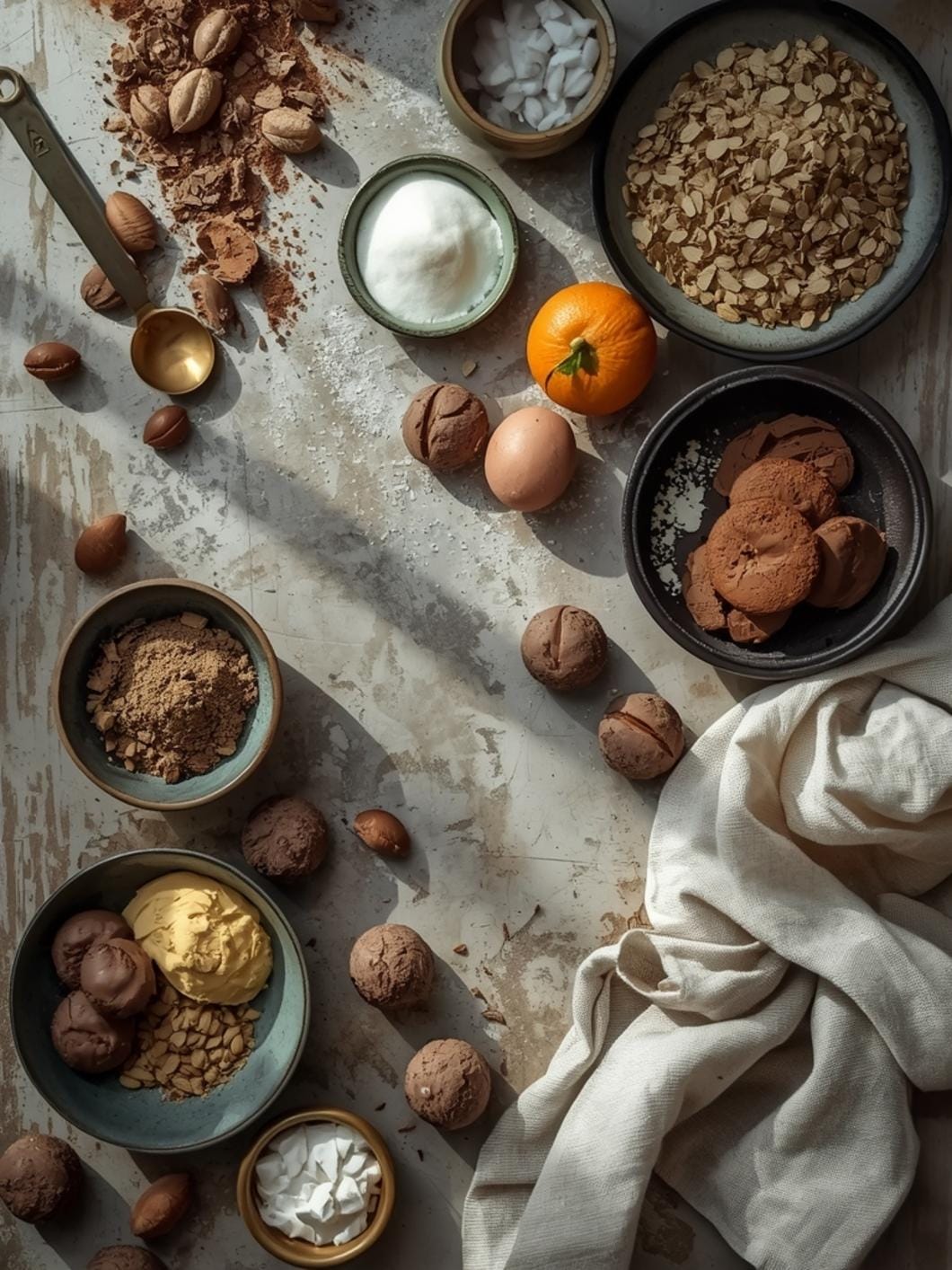
1. Zest the oranges: Grate the outer peel from two large oranges using a microplane, aiming for 2 tablespoons of vibrant shavings. Inhale deeply—the fresh, oily citrus scent should fill the air, sharp and promising. Pat the zest dry on paper towels to remove excess moisture that could seize the chocolate later.
2. Heat the cream: Pour 150ml heavy cream into a small saucepan and add the orange zest. Set over medium-low heat, stirring occasionally until tiny bubbles form at the edges and steam rises—about 4-5 minutes. The mixture should smell like warm orange groves, infused and fragrant. Remove from heat and let steep for 10 minutes, covered, to draw out those essential oils.
> Chef Grace’s Tip: If your cream boils vigorously, it can curdle or scorch. Keep the heat gentle; think simmer, not rolling boil, for a smooth base.
3. Melt the chocolate: Place 300g finely chopped dark chocolate in a heatproof bowl. Reheat the infused cream just until steaming again, then strain it over the chocolate through a fine mesh sieve, pressing on the zest to extract every drop. Let sit undisturbed for 2 minutes—the chocolate will soften, edges glistening as it absorbs the warm cream.
4. Stir to ganache: Whisk gently from the center outward in slow circles. The chocolate will emulsify into a thick, shiny ganache, turning from lumpy to satiny as cocoa butter blooms. It should feel velvety on the whisk, coating it evenly with a deep mahogany hue. Stir in the softened 50g butter and 2 tbsp orange liqueur until fully incorporated—the butter adds a subtle sheen and tenderness, while the liqueur sharpens the orange note with a faint boozy warmth.
5. Chill the mixture: Cover the bowl with plastic wrap pressed directly onto the surface to prevent a skin forming. Refrigerate for 3-4 hours until firm but scoopable—like chilled cookie dough that molds without cracking. If it hardens too much, let it soften at room temp for 15 minutes.
> Chef Grace’s Tip: Test doneness by pressing a finger into the ganache; it should dent slightly but hold shape. Over-chilling makes scooping a workout—patience here ensures perfect rounds.
6. Scoop the truffles: Line a baking sheet with parchment. Use a 1-tablespoon cookie scoop or melon baller dipped in hot water to portion the ganache—each piece should plop out as a soft mound, about 2cm wide, with a faint citrus sheen on the surface.
7. Roll into balls: Roll quickly between lightly oiled palms into smooth spheres. The ganache will soften from your body heat, turning pliable and glossy. Work in small batches to keep them chilled; they should feel cool and firm outside, yielding softly inside.
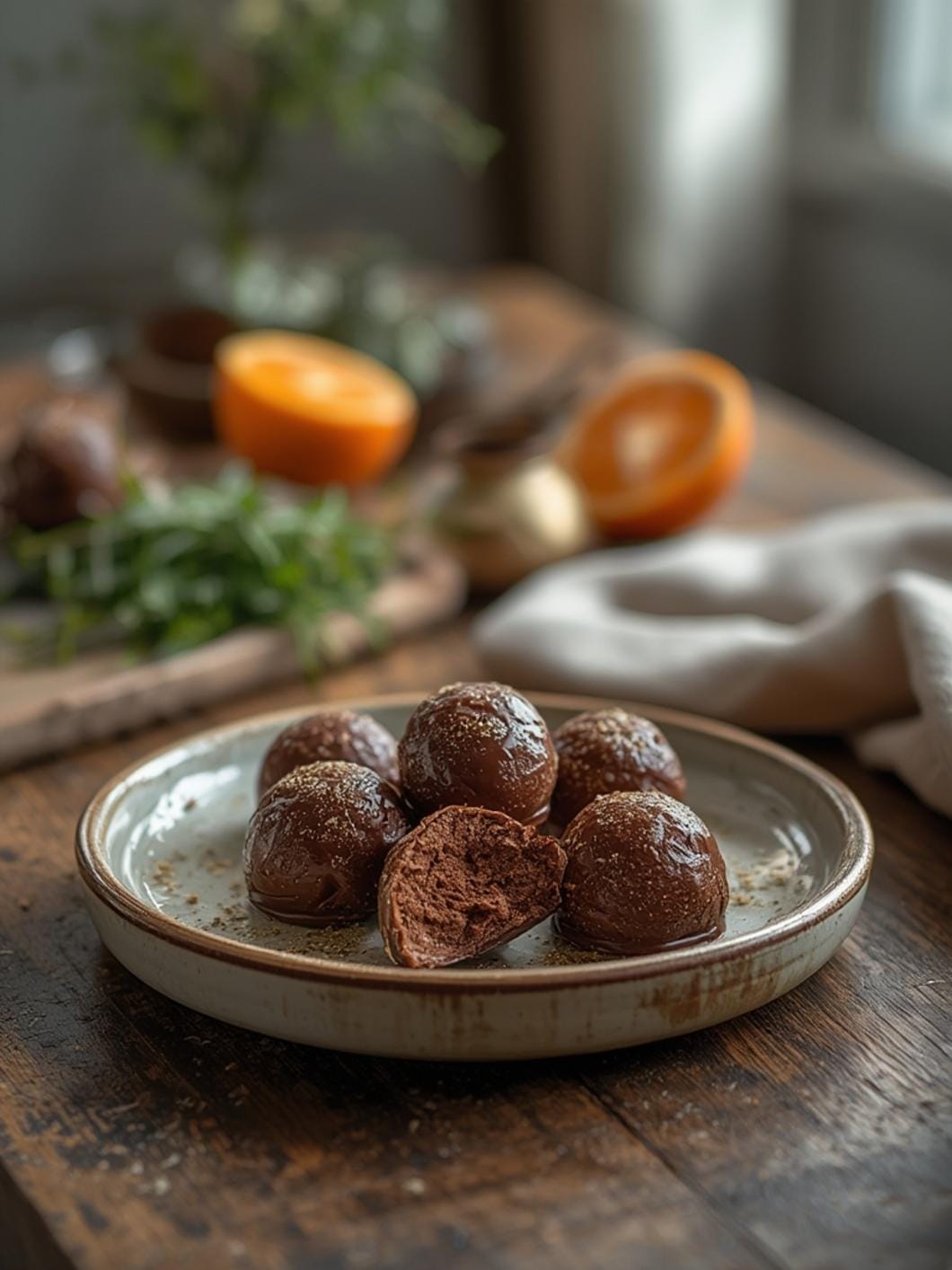
8. Coat the truffles: Spread 100g cocoa powder in a shallow bowl. Drop each ball in, tap off excess—the powder clings lightly, creating a matte, velvety finish that contrasts the rich interior. For festivity, melt 100g white chocolate over a double boiler until fluid and pourable (stir constantly to avoid scorching; it should smell sweet and nutty). Drizzle over half the truffles using a fork for fine lines—they’ll harden into crisp stripes.
9. Set and serve: Chill the finished orange chocolate Christmas truffles for 30 minutes. They’ll firm up with a powdery exterior that dissolves on your tongue, releasing layers of chocolate depth cut by orange brightness.
Why This Recipe Works
The secret to flawless orange chocolate Christmas truffles lies in ganache science: hot cream’s water and fat break down chocolate’s cocoa solids and cocoa butter into a stable suspension. Tempering isn’t needed here because the cold rolling preserves a soft snap, while orange zest’s limonene oils volatilize during infusion, infusing aroma without acidity overpowering the fat bloom. This balance—bitter chocolate richness tempered by citrus tang and cream’s silk—creates addictive contrast, far superior to cloying commercial versions. For an even juicier take, check this Creamy orange chocolate Christmas truffles recipe that amps up the moisture. Chilling controls crystallization for that ideal bite: too warm, they slump; just right, they hold shape through holiday shipping.
Variations & Substitutions
Make these orange chocolate Christmas truffles gluten-free by nature—they already are, no flour involved. For dairy-free, swap heavy cream for coconut cream (full-fat canned, chilled to skim solids) and use dairy-free dark chocolate; the subtle coconut echoes vanilla notes beautifully. Budget-friendly? Skip liqueur for extra zest or orange extract (1 tsp), and roll in powdered sugar instead of pricey Dutch cocoa. Add crushed pistachios for crunch or dip in tempered milk chocolate for kid-friendly sweetness.
Common Mistakes to Avoid
Don’t rush the cream infusion—under-steeping leaves flat flavor; fix by zesting directly into warm cream next time. Scooping from overly cold ganache leads to cracked truffles; soften 10-15 minutes and warm your scoop. Over-handling during rolling warms them too much, causing melt-down; chill hands under cold water between batches.
Storage & Reheating
Store orange chocolate Christmas truffles in an airtight container layered with parchment in the fridge for up to 2 weeks—the cold keeps them firm without drying. For longer, freeze in a single layer then transfer to a freezer bag for 2 months; thaw overnight in the fridge to avoid condensation sweat. No reheating needed—these shine cold or at room temp. If drizzling softens them, pop in the fridge 10 minutes; microwave zaps moisture, ruining texture.
Conclusion
These orange chocolate Christmas truffles will steal the show at any gathering, their citrus-chocolate hug lingering like holiday memories. Whip up a batch, share the love, and tag @FlashKitchen on social—we can’t wait to see your glossy beauties. For more festive bites, explore our orange chocolate Christmas truffles.
Frequently Asked Questions (FAQ)
Can I make orange chocolate Christmas truffles without alcohol?
Yes, omit the liqueur and double the orange zest for punch—the flavor holds strong.
Why did my ganache split?
Likely cold cream hit hot chocolate; always strain warm cream over chocolate and whisk patiently.
How do I get smooth truffles?
Finely chop chocolate for even melt, and roll quickly with cool hands.
Can I use milk chocolate instead?
Sure, but it sweetens the profile—balance with extra zest to keep the orange pop.